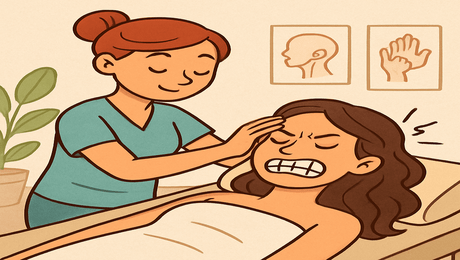
Are you struggling with bruxism, commonly known as teeth grinding? This condition can lead to various issues like jaw pain, headaches, and worn-out teeth, often exacerbated by stress and anxiety. Many individuals seek solutions to alleviate the discomfort associated with bruxism, and one effective option could be massage therapy. In this post, we’ll explore how massage therapy can provide relaxation, stress relief, and overall help for those who grind their teeth.
Understanding Bruxism: The Basics
Bruxism is the involuntary grinding or clenching of teeth, usually occurring during sleep or times of stress. It can result from various factors, including anxiety, sleep disorders, or misalignment of the teeth and jaws. The consequences of bruxism extend beyond just oral health; it can lead to jaw discomfort, headaches, and tension in the surrounding muscles. Finding effective treatment is crucial, and that’s where a licensed massage therapist can play a significant role.
How Massage Therapy Helps
Massage therapy has long been recognized for its ability to help with a variety of physical and emotional conditions. A licensed massage therapist can employ specific techniques that target the neck, jaw, and facial muscles to help relieve tension that contributes to bruxism.
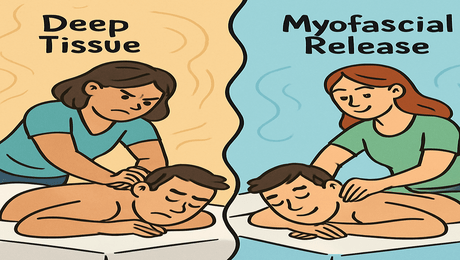
One notable technique is deep tissue massage, which focuses on deeper layers of muscle and fascia, helping to release chronic tension and promote relaxation. In particular, this type of massage can ease tightness in the muscles that control jaw movements, providing significant relief for those affected by teeth grinding.
Additionally, regular massage sessions can help reduce stress levels, a common trigger for bruxism. By lowering anxiety and promoting relaxation, massage therapy can contribute to a more restful sleep, further alleviating the symptoms associated with this condition.
Benefits of Massage Therapy for Bruxism
-
Stress Relief: Regular massage sessions can be a fantastic stress management tool, encouraging relaxation and mindfulness. When combined with deep tissue massage, it can greatly decrease the instances of teeth grinding caused by anxiety.
-
Improved Muscle Function: Massage enhances blood flow, which ensures the muscles in the jaw and neck remain healthy and flexible. This can help prevent issues related to muscle tightness and spasms that often accompany bruxism.
-
Pain Management: For individuals suffering from headaches or jaw pain due to grinding, massage therapy can serve as an effective pain management strategy. Techniques used by a licensed massage therapist can alleviate discomfort, providing much-needed relief.
Conclusion
Massage therapy offers a holistic approach to addressing the discomfort associated with bruxism. With the help of a licensed massage therapist, clients can enjoy the relaxation and stress relief necessary to combat teeth grinding effectively. If you’re looking for a solution to this frustrating condition, consider incorporating massage therapy into your wellness routine.
Voted Best of Georgia 4 Years in a Row! Massage Now offers expert therapeutic and relaxation massage in a clean, calming environment. Serving clients from Kennesaw, Acworth, Marietta & Atlanta, Massage Now in Kennesaw provides expert massage therapy in a modern setting.

 Massage Now Blog – Expert Massage & Wellness Tips from Kennesaw
Leave a comment