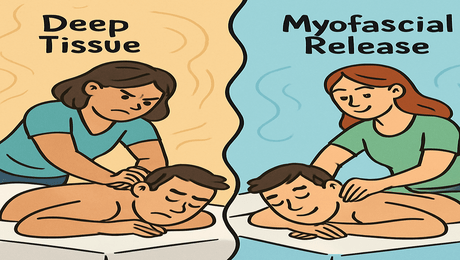
In the quest for relaxation and effective pain relief, many individuals seek out various massage therapy techniques. Among these, deep tissue massage and myofascial release stand out for their unique approaches and therapeutic benefits. If you’re looking for a solution to chronic pain or stress relief, understanding the differences between these two modalities can help you choose the right treatment for your needs.
What is Deep Tissue Massage?
Deep tissue massage focuses on realigning deeper layers of muscles and connective tissue. It is particularly beneficial for those who experience chronic pain, tension, or injuries. Licensed massage therapists employ slower strokes and intense pressure to target specific areas, breaking down adhesions (muscle knots) and improving circulation. This technique can often be intense, but the results are worth it; many clients experience immediate relief from pain and increased mobility.
Understanding Myofascial Release
Conversely, myofascial release is a gentle, yet effective form of massage therapy that targets the fascia— the connective tissue surrounding muscles. This technique aims to relieve restrictions in the fascia that can lead to pain and decreased range of motion. A licensed massage therapist using myofascial release applies gentle sustained pressure into the fascial restrictions, facilitating relaxation and improving overall function. While it might not feel as intense as deep tissue massage, many clients report a profound sense of relaxation and stress relief after a session.
Which One is Right for You?
Choosing between deep tissue massage and myofascial release largely depends on your specific needs and body conditions. If you have chronic muscle pain or tension, deep tissue massage may provide quicker relief. On the other hand, if you’re experiencing tightness from postural issues or injuries without significant pain, myofascial release might be the best option.
Consider also the nature of your lifestyle. For instance, those seeking rejuvenation and relaxation might find myofascial release more aligned with their goals, while athletes or individuals with specific muscle strains may prefer the results-driven nature of deep tissue treatments.
Tips for Aftercare
Regardless of the technique chosen, aftercare is crucial to maximizing the benefits of your session. Staying hydrated is essential to flush out toxins released during the massage. Incorporate gentle stretches to support muscle recovery and consider scheduling follow-up sessions for ongoing benefits. Additionally, for those interested in skincare, combining a deep tissue massage with rejuvenating facials can promote glowing skin and overall relaxation.
Conclusion
Both deep tissue massage and myofascial release offer significant benefits, making them excellent additions to any wellness regimen. Whether you’re searching for “massage near me”, “facial near me” or


 Massage Now Blog – Expert Massage & Wellness Tips from Kennesaw
Leave a comment